5 Best RV Roof Coatings for Rubber Roofs: 2026 Picks
Your RV's rubber roof takes a beating from UV rays, rain, and temperature swings every time you hit the road. Finding the best RV roof coating for rubber roof materials is essential if you want to extend its lifespan and avoid costly leaks down the line.
Whether you have an EPDM or TPO membrane, the right coating creates a protective barrier that reflects heat, seals small cracks, and keeps water where it belongs, outside. But with dozens of products claiming to be the best, narrowing down your options can feel overwhelming.
We've researched and compared the top-rated rubber roof coatings available in 2026 to help you make an informed choice. And if you'd rather leave the application to a pro, MobileRVService.com connects you with mobile RV technicians across North America who can handle roof maintenance right at your campsite or storage lot.
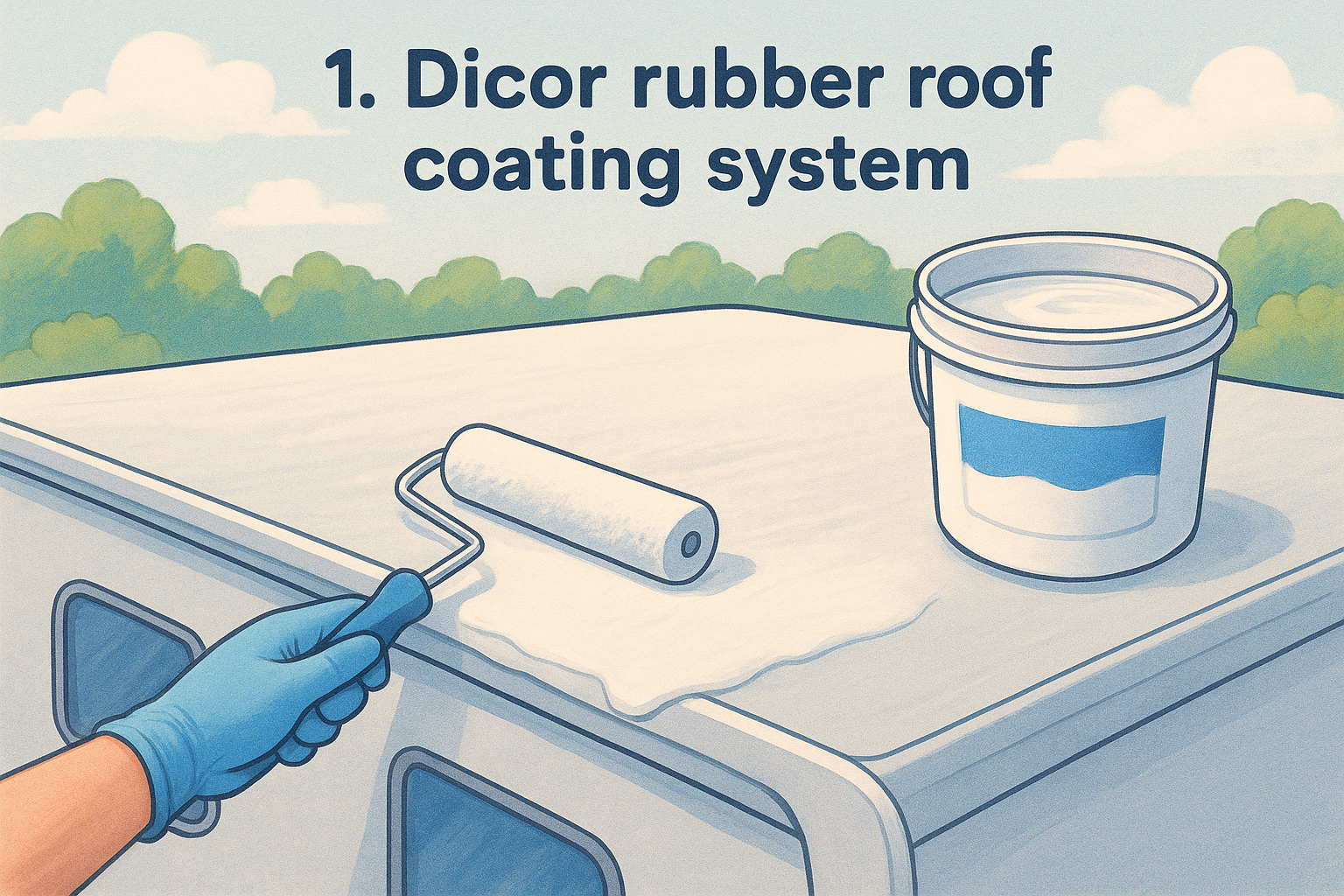
1. Dicor rubber roof coating system
Dicor has been a trusted name in RV roofing for decades, and their rubber roof coating system consistently ranks as one of the best RV roof coating for rubber roof applications on the market. The product is specifically formulated to bond with EPDM and TPO membranes, creating a seamless layer that protects against water intrusion and UV damage.
Why it made the list
Dicor's formula uses a self-leveling acrylic elastomeric coating that fills in minor cracks and imperfections as it cures. This product stands out because it's designed by RV manufacturers themselves and is often the factory-installed coating on new rigs. You get excellent adhesion without needing a separate primer on clean, properly prepared surfaces, which saves time and reduces the risk of application errors.
Dicor is the go-to choice for RV owners who want a product engineered specifically for recreational vehicle roofs, not just generic roofing applications.
Best for
This coating works best for routine maintenance and preventive care on roofs that are in decent shape. If your rubber membrane has minor weathering or small surface cracks, Dicor provides reliable protection without requiring a full replacement. It's also ideal for owners who prefer a bright white finish that reflects heat and keeps the interior cooler during summer travel.
How to apply it on EPDM and TPO
You'll need to clean the roof thoroughly with a non-abrasive cleaner and let it dry completely before application. Apply the coating with a paint roller or brush in temperatures between 50°F and 90°F, working in sections to maintain a wet edge. Most roofs require two coats for full coverage, with a drying time of about four hours between layers.
What it costs
Expect to pay around $80 to $120 per gallon depending on the retailer and any ongoing promotions. One gallon typically covers 80 to 100 square feet, so a standard 30-foot RV roof will need two to three gallons for a complete two-coat application.
2. Heng's rubber roof coating
Heng's rubber roof coating delivers affordable protection for RV owners who need a reliable solution without breaking the budget. This acrylic coating forms a flexible, waterproof membrane that bonds directly to EPDM and TPO surfaces, making it a popular choice among full-time travelers who handle their own maintenance.
Why it made the list
Heng's earns its spot on this list because it offers strong adhesion and UV resistance at a price point that makes routine recoating more accessible. The formula doesn't crack or peel under temperature fluctuations, and you can apply it without special equipment or professional skills. Many RV owners report that this coating lasts three to five years before needing reapplication, which is competitive with more expensive options.
Best for
This product works best for budget-conscious owners who plan to recoat their roofs regularly as part of a preventive maintenance schedule. If you're comfortable with DIY projects and want a straightforward application process, Heng's provides solid performance without unnecessary complexity.
Heng's coating is ideal for RV owners who prioritize value and ease of application over premium features.
How to apply it on EPDM and TPO
Start by cleaning the roof thoroughly and removing any loose debris or old coating residue. Apply the product with a roller or brush in temperatures above 50°F, working in even strokes to avoid pooling. You'll need two coats for complete coverage, with drying time of approximately four hours between applications.
What it costs
Expect to pay $50 to $75 per gallon, making it one of the more economical options when comparing the best RV roof coating for rubber roof materials.
3. Liquid Rubber RV roof coating
Liquid Rubber brings a unique polyurethane formula to the RV roofing market that creates a completely seamless membrane once it cures. This coating stands out because it arrives in liquid form and transforms into a fully bonded rubber layer that flexes with your roof's movement, making it one of the best RV roof coating for rubber roof applications when you need long-term durability.
Why it made the list
This product earned its spot because it forms a continuous waterproof barrier without seams or joints where leaks typically develop. The polyurethane base provides superior adhesion to both EPDM and TPO, and it resists mildew growth better than standard acrylic formulas. You get a coating that handles temperature extremes from -40°F to 300°F without cracking or losing flexibility.
Best for
Liquid Rubber works best for roofs with existing minor leaks or areas where water tends to pool. If your RV sits in humid climates or you need mildew-resistant protection, this formula delivers better performance than traditional acrylics.
This coating excels when you need a self-healing membrane that can bridge small gaps and continue protecting your roof year after year.
How to apply it on EPDM and TPO
You'll apply this coating with a roller, brush, or sprayer after cleaning the surface thoroughly. Work in sections and apply two coats with six to eight hours of drying time between layers. The application temperature range spans 40°F to 90°F, giving you flexibility in cooler weather.
What it costs
Expect to pay $90 to $140 per gallon, with coverage of approximately 75 to 90 square feet per gallon depending on substrate porosity.
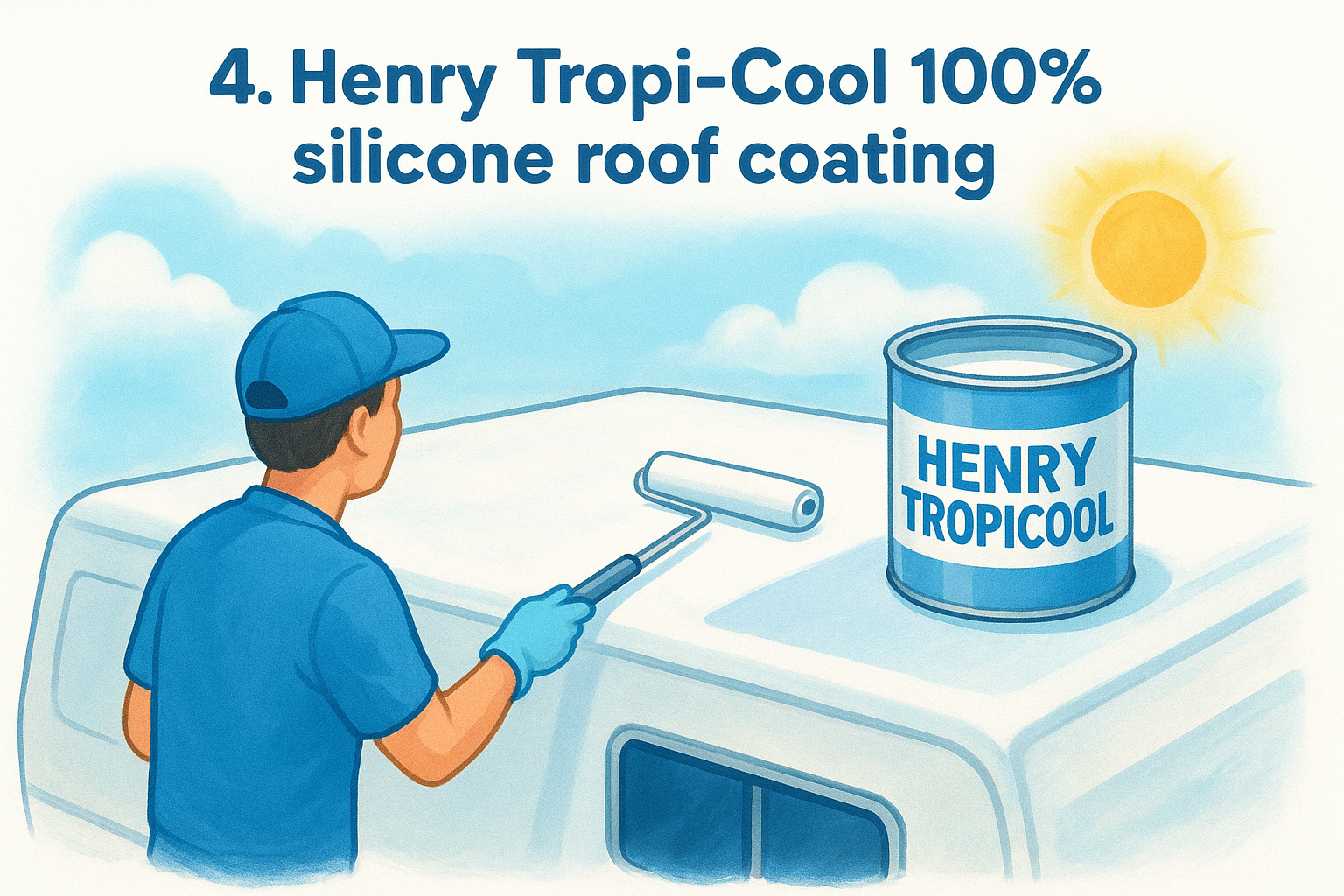
4. Henry Tropi-Cool 100% silicone roof coating
Henry Tropi-Cool switches from acrylic to pure silicone chemistry, which changes the game for RV owners who need maximum UV reflection and heat reduction. This white silicone coating creates a rubber-like membrane that stays flexible in extreme temperatures while reflecting up to 89% of solar radiation away from your roof.
Why it made the list
This silicone formula bonds permanently to EPDM and TPO surfaces without the brittleness that acrylic coatings can develop after years of sun exposure. You get a coating that won't chalk, crack, or peel even in desert heat or freezing winters, making it one of the best RV roof coating for rubber roof applications when durability matters most.
Best for
Henry Tropi-Cool works best for full-time RVers in hot climates who want to reduce air conditioning costs and protect their roof from intense UV damage. If you park in direct sun for extended periods, this coating delivers measurable temperature reduction inside your rig.
Silicone coatings like Henry Tropi-Cool provide superior longevity compared to acrylics, often lasting seven to ten years before requiring recoating.
How to apply it on EPDM and TPO
Apply this coating with a roller or airless sprayer after cleaning the surface completely. You'll need one thick coat or two thin coats depending on your roof condition, with a four-hour cure time between applications.
What it costs
Expect to pay $110 to $160 per gallon, with coverage of approximately 75 to 100 square feet per gallon.
5. GacoFlex S42 series silicone roof coating
GacoFlex delivers commercial-grade silicone protection that RV manufacturers trust for factory installations and long-term warranty programs. This professional-level coating creates a permanent rubber membrane that outperforms consumer-grade alternatives in both durability and weather resistance, making it a top contender when researching the best RV roof coating for rubber roof applications.
Why it made the list
GacoFlex earned its position because it provides fifteen to twenty-year protection with a single application when properly maintained. The silicone formula stays flexible through freeze-thaw cycles without cracking, and it won't degrade from ponding water or UV exposure. You get laboratory-tested performance that meets ASTM D6083 standards for elastomeric coatings.
Best for
This coating works best for owners planning long-term ownership who want to invest in a single application that eliminates frequent recoating cycles. If you live in areas with extreme weather swings or need commercial-grade durability for a vintage or high-value rig, GacoFlex delivers professional results.
GacoFlex represents a higher upfront investment that pays off through extended protection intervals and reduced lifetime maintenance costs.
How to apply it on EPDM and TPO
Apply with a roller or airless sprayer after thorough surface preparation. You'll need one coat at 1.5 gallons per 100 square feet for optimal thickness and performance.
What it costs
Expect to pay $130 to $180 per gallon depending on your supplier and purchase volume.
Next steps for a leak-free roof
Selecting the best RV roof coating for rubber roof protection comes down to your climate, budget, and how often you want to recoat. Each product on this list offers proven protection for EPDM and TPO membranes when you apply it correctly and maintain your roof with regular inspections.
Clean your roof thoroughly before applying any coating, and check the weather forecast to ensure proper curing conditions. Most coatings need at least 24 to 48 hours of dry weather to fully bond and create a waterproof barrier.
If you'd rather skip the DIY process or need professional help with a damaged roof, MobileRVService.com connects you with experienced mobile technicians who can handle coating application and repairs at your location. You'll find over 3,200 service providers across North America who bring the tools and expertise directly to your campsite or storage facility.